ALMA
As part of my role at ALMA, a company specializing in IT solution integration for the oil and gas sector, I held the position of Lead Designer. My work spanned three key products: ASTRA, ALPA, and CycleOp.
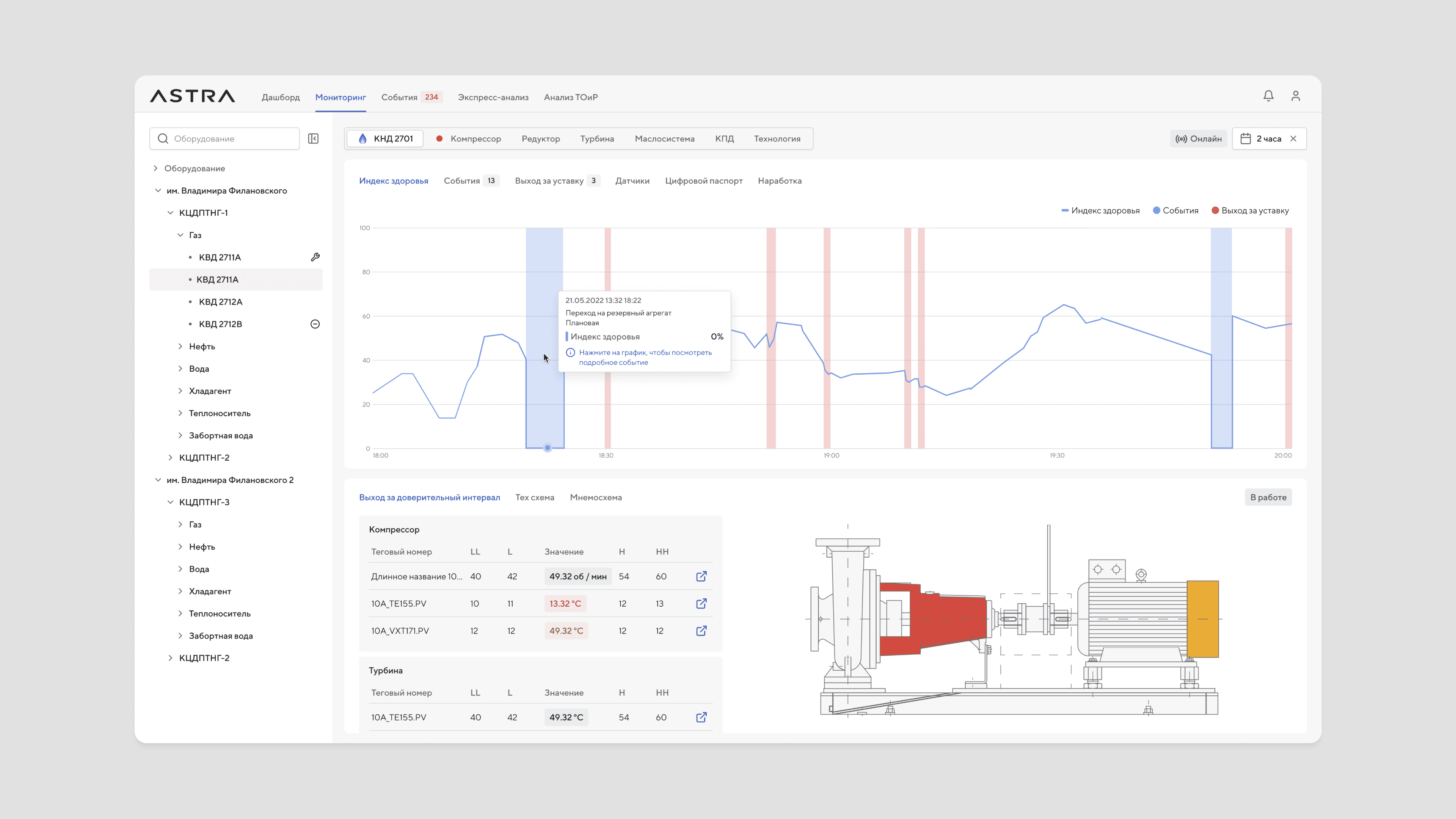
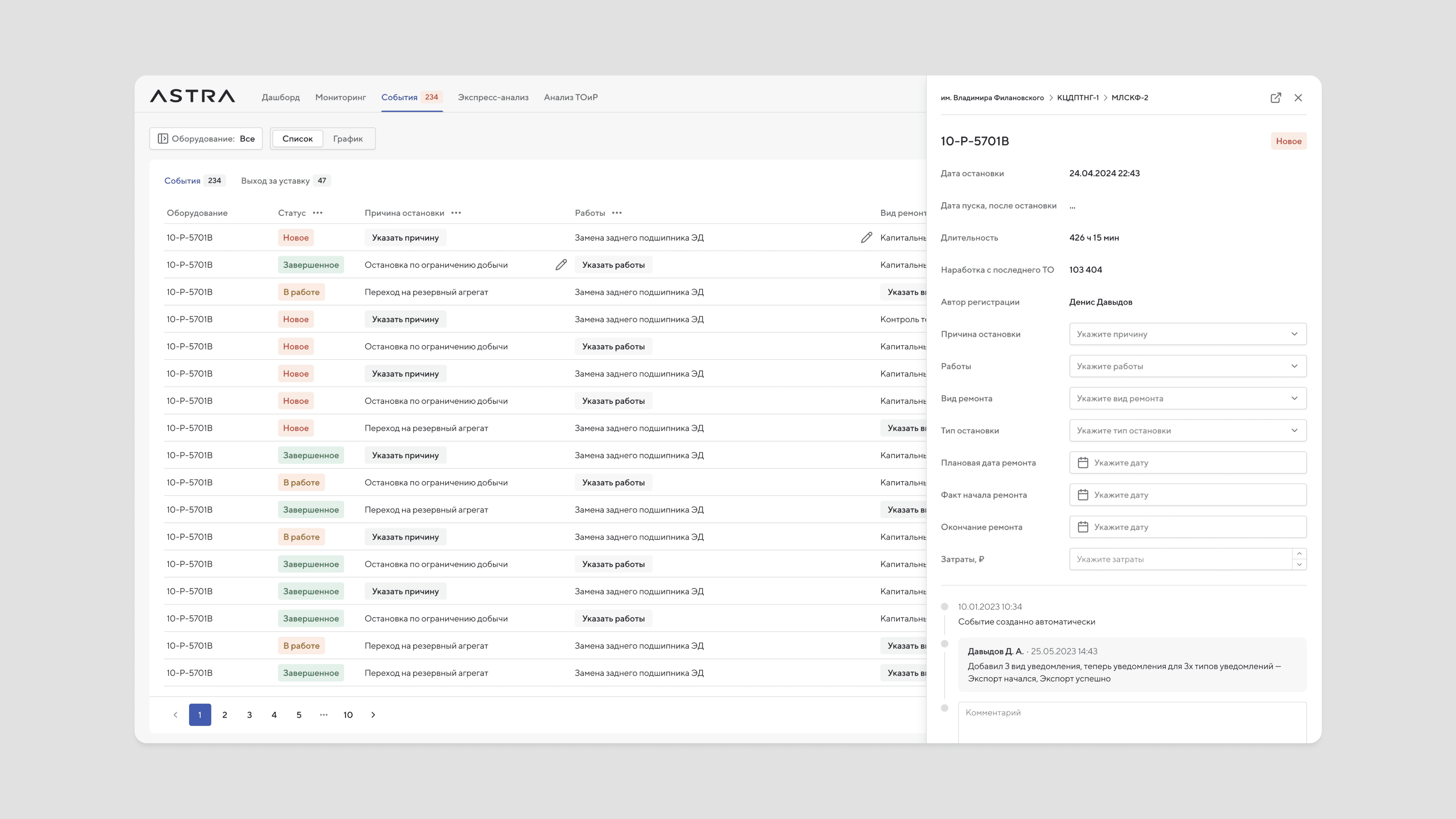
ASTRA assists users in monitoring equipment performance and optimizing downtime through predictive modeling.
ALPA provides tools for operational equipment management across the entire enterprise.
CycleOp serves as a platform for generating and maintaining reports.
My responsibilities included liaising with stakeholders, gathering requirements for development, planning the product roadmap, and executing the design process from the research stage to high-fidelity prototyping. I also oversaw the work of two other designers on my team.
Problem Statement
Upon my arrival at ALMA, I encountered two key challenges: a lack of experience in integrating design into the workflow and the absence of design guidelines for the products.
My primary goal was to establish a design integration process from scratch, emphasizing the importance of understanding user problems to subsequently save resources in development. By proactively understanding user needs, we could develop products that meet their expectations, minimizing the costs of later revisions.
Additionally, the initial months at the company were spent creating a design system. In collaboration with developers and stakeholders, we began to develop a system that would cater to the needs of all products and be universally accepted by all stakeholders.
Research and Methodology
My work was organized into sprints, each lasting two weeks. These sprints were formulated based on a roadmap for various product versions, planned for every 4-6 months. If the information from the established roadmap was insufficient, I would consult with the internal client to clarify requirements and feature vision.
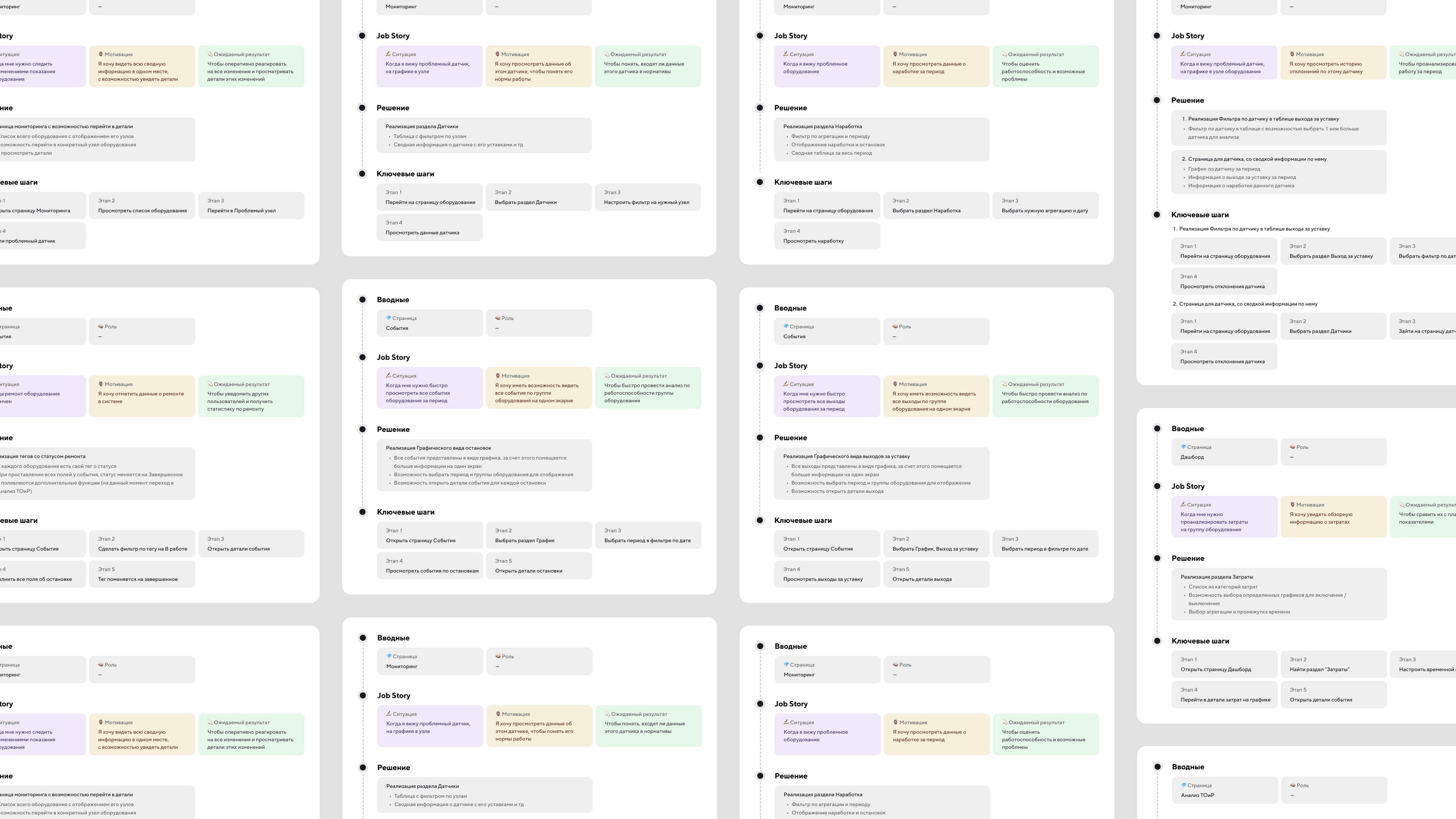
Based on these discussions, I created a job stories map, which helped identify the user tasks that needed to be addressed. The next steps involved formulating hypotheses and creating clickable prototypes.
We employed various design testing formats depending on the task at hand. If we were confident about the necessity of specific functionality for the users, we conducted hallway testing. When considering the implementation of new features or unconventional solutions, user interviews were conducted.
Design Process
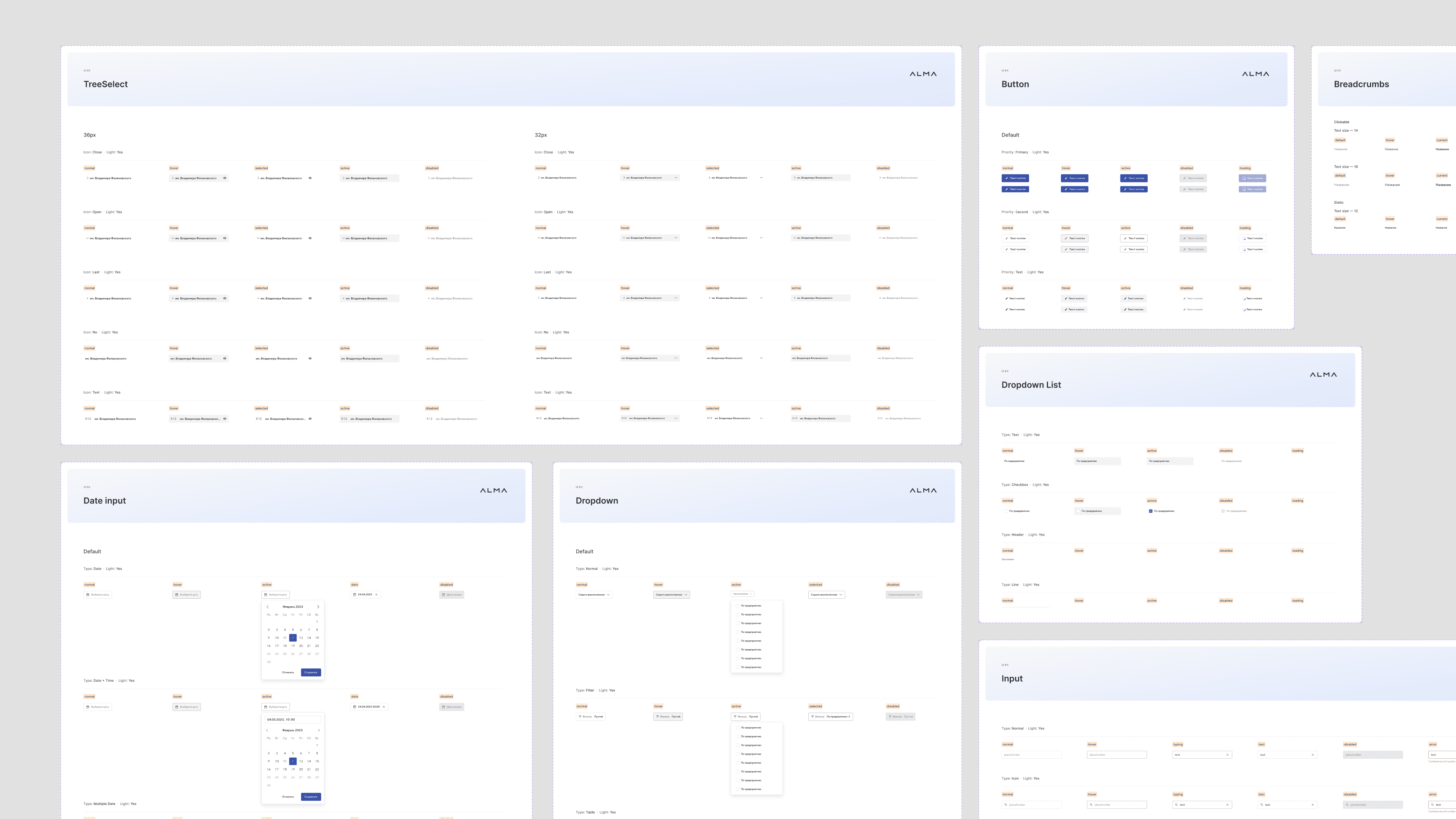
In parallel with product development, we were crafting a design system. This system was intended for all our products and allowed for the reuse of solutions, affording more time to understand user tasks rather than focusing on specific design creation.
Each product was organized around a role system, signifying different segments performing various tasks. Based on these roles, we designed user flows for each page, aiming to improve task execution for specific users.
The design was 2-3 months ahead of frontend development, allowing the backend to prepare the entire base and plan sprints more efficiently without rushing to implement specific features.
Results and Impact
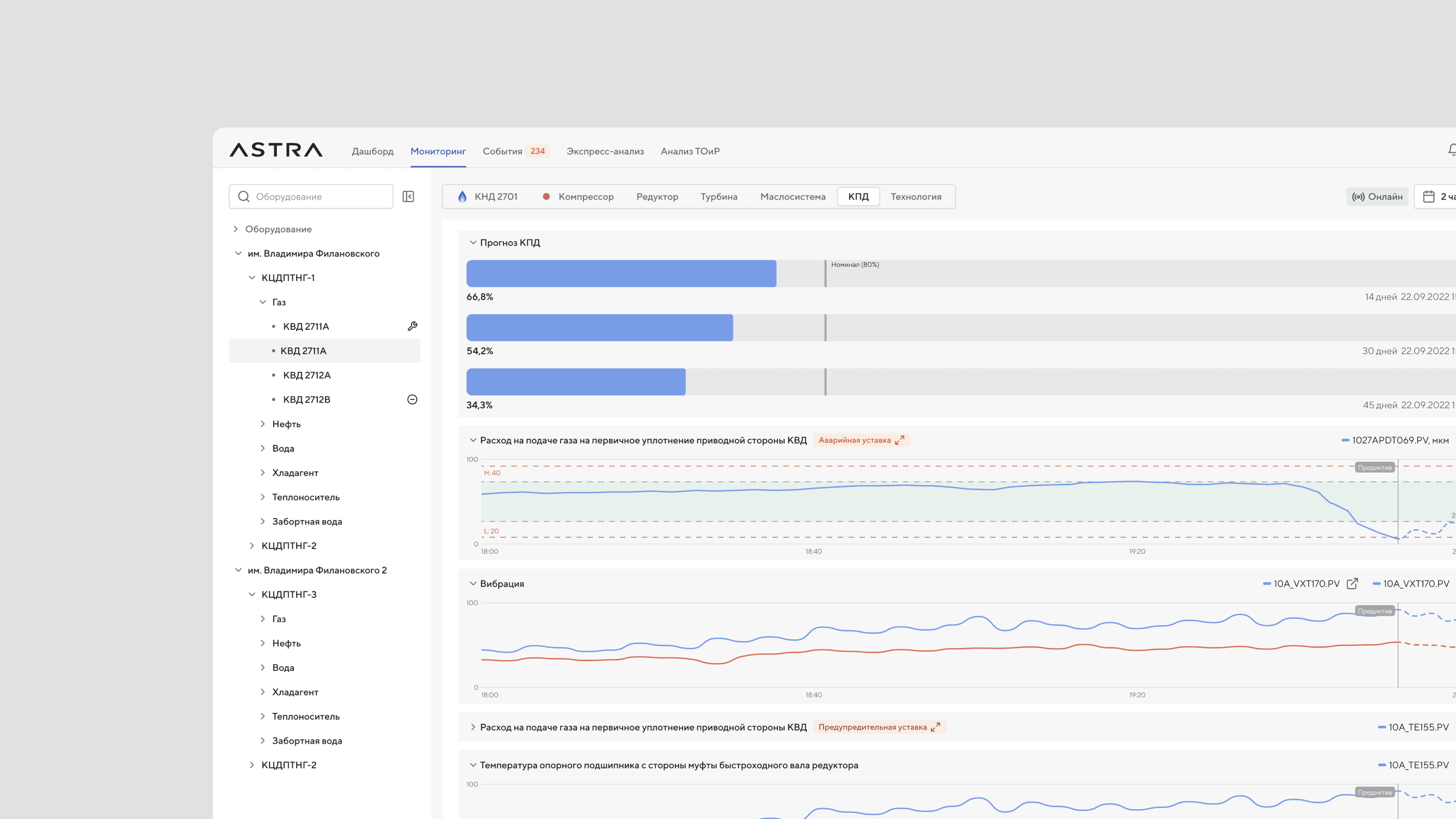
As a result, we have three integrated products that are continuously improved through set functional goals and user feedback.